How to Build High-Quality Links for Ecommerce in 2026
Building high-quality links for ecommerce in 2026 requires a shift from quantity to Topical Relevance. The most effective strategy involves securing editorial placements on niche-specific sites that drive real organic traffic to your category pages—combined with structured content and internal linking that distributes authority across your store.
You’ve optimized UX. You’ve fixed pricing. You’ve targeted the right keywords.
But rankings are stuck.
Here’s the truth: your competitors have better links.
And not more links—better ones.
Why Ecommerce Link Building Is Harder Now
Product pages don’t earn links naturally.
Nobody cites a “Buy Now” page.
And Google has tightened evaluation:
- Relevance > raw authority
- Traffic > vanity metrics
- Context > placement
So, chasing volume? That’s how brands burn budget.
What Defines a High-Quality Ecommerce Link in 2026
Not all backlinks are equal. Context decides value.
1. Topical relevance wins
A niche blog in your category beats a generic high-DR site.
2. Real traffic = trust
If a page gets visitors, the link carries weight.
3. Editorial placement matters
Links inside content outperform sidebar/footer links.
4. Anchor text must look natural
Branded + partial match > exact match spam.
Low-Quality Links vs High-Quality Ecommerce Links
|
Factor |
Low-Quality Links (The Risk) |
High-Quality Ecommerce Links (The Reward) |
|
Relevance |
Generic, unrelated sites |
Niche-specific, buyer-relevant |
|
Traffic |
No real visitors |
Verified organic traffic |
|
Placement |
Footer/sidebar |
Contextual, editorial |
|
Impact |
Short-term or none |
Long-term rankings + authority |
|
Risk |
Google penalties |
Safe, compounding growth |
The Secret to Ecommerce ROI: Link to Categories, Not Products
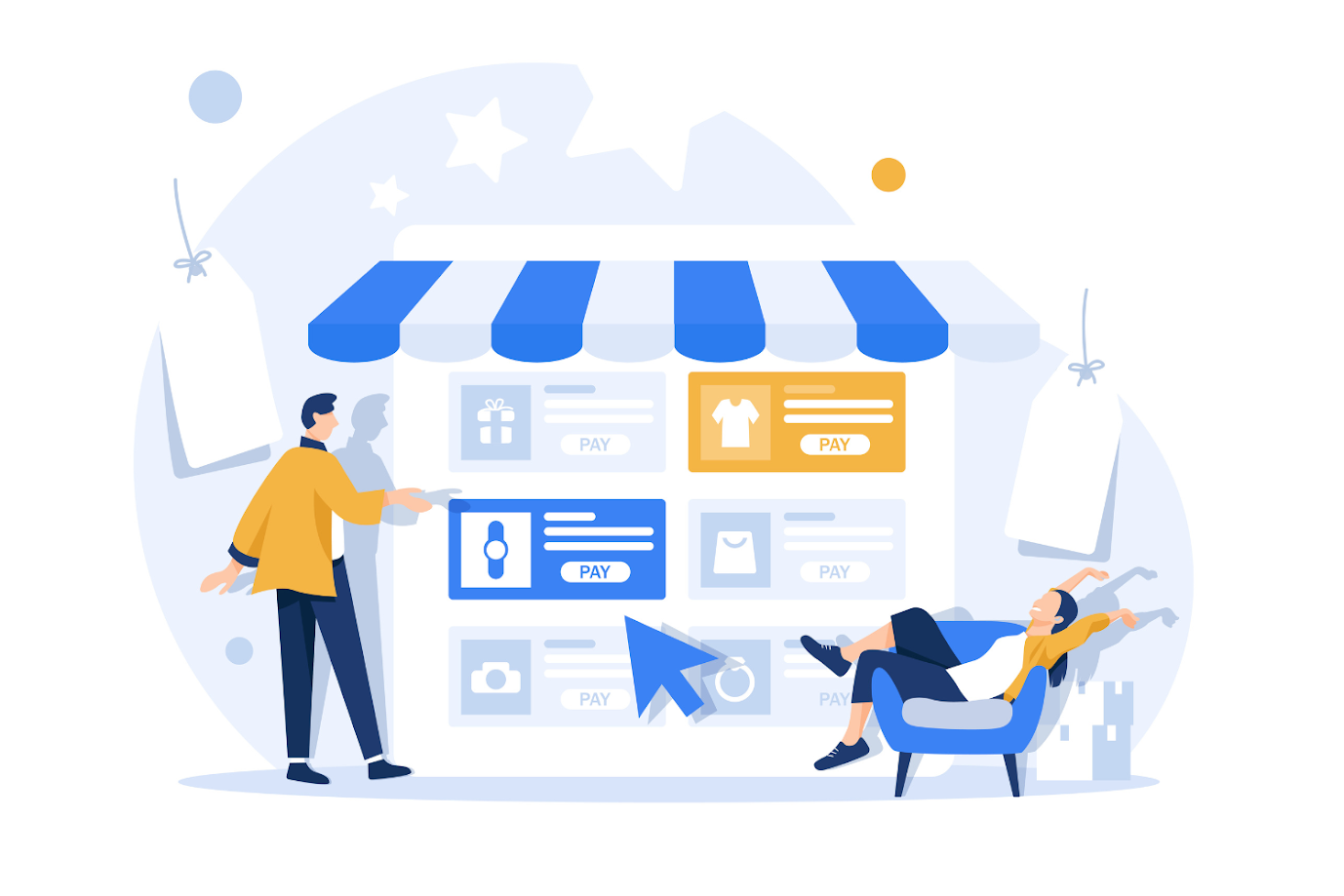
Most brands get this wrong, they build links to product pages. That’s inefficient.
Category pages are your SEO hubs.
They:
- Target high-intent keywords
- Aggregate authority
- Distribute link equity to all products
So instead of pushing links to individual SKUs:
- Build links to category pages
- Support with buying guides
- Use internal links to push authority downward
That’s how you scale rankings across hundreds of products—without building hundreds of links.
The Best Link Building Strategies for Ecommerce
No single tactic works alone. You need a system.
1. Guest Posting (Done Right)
A strong guest posting strategy focuses on:
- Niche relevance
- Real audience sites
- Content that answers buying intent
And not just placements—contextual mentions.
This is still one of the safest and most scalable strategies when executed properly.
2. Product-Led Content (Your Link Magnet)
You don’t build links to product pages.
You build links to content that supports them.
Examples:
- “Best office chairs for long workdays”
- “Top tools for small ecommerce teams”
These attract links. Then internal linking passes authority to commercial pages.
3. Marketplace-Based Link Building (Fast Execution)
Manual outreach is slow.
That’s why we built the Vefogix Freelance Marketplace.
You can:
- Find niche-specialized link builders
- Access publishers instantly
- Find pre-defined link building packages
- Filter sites by “Real Traffic” (critical for avoiding Google penalties)
This removes guesswork and speeds up execution without compromising quality.
4. Digital PR (Authority Multipliers)
One strong mention can outperform 20 average links.
We’ve seen campaigns where:
- 1 PR feature → 10+ secondary backlinks
- Brand mentions compound across sources
PR builds authority. And authority drives rankings.
How to Build High-Quality Links for Ecommerce (Step-by-Step)
Here’s the process we use at Vefogix:
1. Map your revenue pages
Focus on category + high-value product clusters.
2. Create supporting content
Guides, comparisons, use-case articles.
3. Vet sites properly
Prioritize niche + traffic. Ignore inflated metrics.
4. Combine outreach + marketplace
Balance control and speed.
5. Build consistently
Not one campaign. Ongoing effort.
6. Track performance
Traffic > rankings > conversions.
Link Building + AI Visibility (2026 Edge)
Ecommerce SEO isn’t just about Google anymore. Shoppers are using AI tools before buying.
That’s why brands must also focus on Getting Featured in AI Search Answers to capture the new “answer-first” discovery layer.
When your brand appears in AI responses:
- You skip the SERP
- You influence buying decisions earlier
- You build trust instantly
Link building + AI visibility = full funnel control.
How to Scale Without Wasting Budget
Most brands waste money on:
- Bulk link packages
- Irrelevant placements
- No content strategy
A better approach:
- Fewer, high-quality links
- Strong content assets
- Consistent execution
Start lean. Scale what works.
Common Mistakes That Kill Results
Avoid these:
- Chasing DR instead of traffic
- Ignoring niche relevance
- Overusing exact-match anchors
- Building links without content
- Measuring links instead of impact
Link building isn’t delivery. It’s performance.
Frequently Asked Questions
Start with 10–20 high-quality, niche-relevant links to key category pages. Quality matters more than volume.
Yes—if done on real, relevant sites with organic traffic. Avoid spammy networks and low-quality placements.
Use a mix—branded, partial match, and generic anchors. Avoid over-optimizing exact-match keywords.
In low-competition niches, maybe. In most ecommerce categories, links are still a primary ranking factor.
Rarely. Focus on category pages and content hubs, then distribute authority internally.