How to Outsource SEO Services for Better Business Results
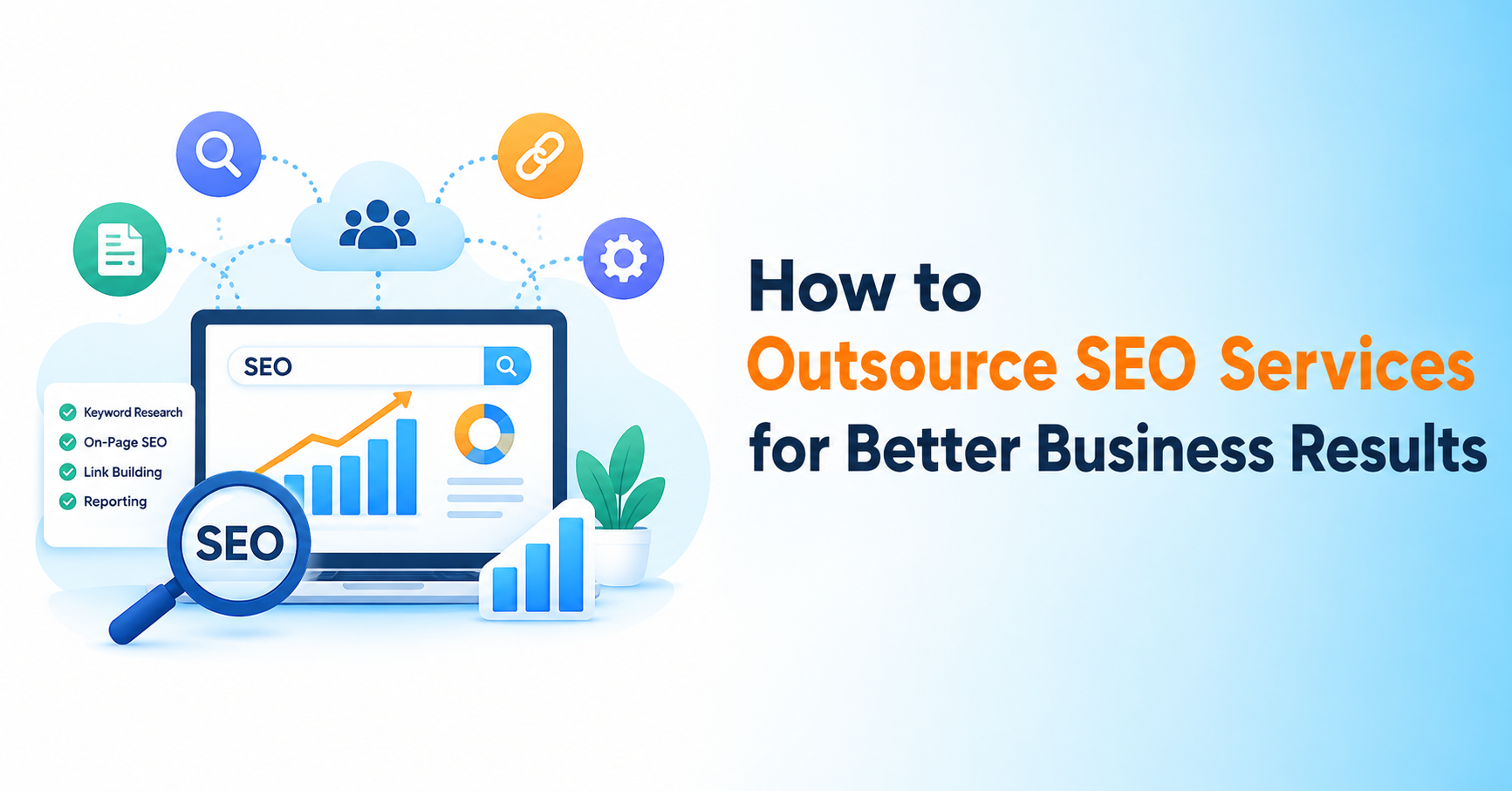
Running a business or digital marketing agency takes time. As client projects grow, SEO tasks such as keyword research, content creation, link building, technical audits, and reporting can become difficult to manage internally.
Hiring a full-time SEO team is one option, but it also means additional salaries, training, and management costs. Outsourcing gives businesses another way to access specialist skills and increase their delivery capacity without hiring for every role.
However, successful SEO outsourcing involves more than finding someone to build backlinks or write articles. You need to identify the right tasks, set clear expectations, evaluate service providers, and measure the results.
This guide explains how to outsource SEO services, what work you can delegate, and how to choose a reliable partner or freelancer for your business.
What Is SEO Outsourcing?
SEO outsourcing is the practice of hiring external freelancers, specialists, agencies, or service providers to handle some or all of your search engine optimization activities.
Instead of building an in-house team for every requirement, businesses delegate specific tasks to people with the relevant skills.
Common outsourced SEO activities include:
- Keyword research and competitor analysis
- On-page SEO and content optimization
- Technical SEO audits and implementation
- Link building and guest posting
- Digital PR and brand outreach
- Local SEO and business citations
- Content writing and optimization
- AI search optimization and brand visibility
For example, a digital marketing agency might manage its clients' SEO strategies internally while outsourcing guest posting, content writing, and technical audits to external specialists.
This approach allows the agency to focus on client relationships, campaign planning, and business development while accessing additional delivery capacity when needed.
Why Do Businesses Outsource SEO Services?
The main reason businesses outsource SEO is to access skills and resources without expanding their internal teams for every requirement. However, the benefits go beyond reducing hiring costs.
1. Access to Specialized Skills
SEO involves several areas of expertise. Technical SEO requires a different skill set from content writing or link building.
An external specialist may have experience handling similar tasks across different industries and websites. This can help businesses access specific expertise instead of expecting one employee to manage every part of SEO.
2. Better Control Over Costs
Building an in-house SEO team involves salaries, software subscriptions, recruitment, and ongoing training.
Outsourcing allows businesses to purchase services based on their current requirements. They can start with a small project, evaluate the quality, and increase the scope when demand grows.
3. Flexible Campaign Management
SEO requirements change as websites grow and business priorities shift.
A company might need technical fixes during one month, additional content during another, and link building for a new campaign later.
Outsourcing makes it easier to adjust the amount of work without changing the size of the internal team.
4. More Time for Core Business Activities
Managing every SEO task internally can take attention away from sales, customer support, product development, and business strategy.
Delegating time-consuming activities gives internal teams more room to focus on decisions that directly support business growth.
5. Easier Agency Scaling
Digital marketing agencies often need additional resources when they acquire new clients.
Outsourced SEO services can help agencies manage additional deliverables without immediately recruiting new employees. They can source content writers, link-building specialists, and other freelancers based on individual project requirements.
Which SEO Tasks Should You Outsource?
Not every SEO activity needs to be outsourced. The right decision depends on your team's existing skills, available resources, and campaign goals.
Here are some SEO activities businesses commonly delegate.
1. Link Building and Guest Posting
Link building requires research, publisher identification, outreach, content coordination, and placement monitoring. It can become time-consuming when several websites or campaigns need attention.
Businesses can outsource activities such as:
- Guest post placements on relevant websites
- Niche-relevant backlink acquisition
- Contextual link insertions
- Competitor backlink research
- Publisher outreach
- Link-building campaign reporting
When evaluating a backlink provider, look beyond domain rating (DR) or domain authority (DA). Check organic traffic, topical relevance, referring domains, website quality, and the actual placement.
Businesses looking for individual placements or predefined packages can explore backlink building packages on Vefogix and compare available options.
2. Content Writing and Optimization
Publishing useful content consistently requires research, writing, editing, and optimization.
Businesses can outsource:
- Blog posts and articles
- Website landing pages
- Product and service descriptions
- Content updates
- Keyword-focused content briefs
- Meta titles and descriptions
However, content outsourcing should not mean publishing generic AI-generated articles without editorial review.
Writers should understand the target audience, search intent, subject matter, and purpose of each page. Content also needs accurate information, useful examples, and a clear structure.
Businesses can find different content writing services based on their content requirements.
3. Technical SEO
Technical SEO requires knowledge of website architecture, crawling, indexing, structured data, and performance.
Businesses may outsource:
- Technical SEO audits
- Crawlability and indexability checks
- XML sitemap reviews
- Canonical tag implementation
- Schema markup
- Website speed optimization
- Redirect and broken-link analysis
It is important to distinguish between identifying an issue and implementing a fix. Before outsourcing technical SEO, confirm whether the provider will only prepare an audit report or also make the required website changes.
For websites built on complex platforms, involve the development team when changes could affect functionality.
4. On-Page SEO and Keyword Research
On-page SEO helps search engines and users understand what a page covers.
External specialists can assist with:
- Keyword research and search intent analysis
- Competitor content analysis
- Heading structure
- Title and meta description optimization
- Internal linking recommendations
- Content gap analysis
- Page-level optimization
Make sure the provider understands the difference between optimizing a page for a keyword and creating content that actually satisfies the searcher's needs.
5. Local SEO
Local businesses often need consistent business information across directories and relevant platforms.
You can outsource:
- Google Business Profile optimization
- Local keyword research
- Business directory submissions
- Local citation management
- Review monitoring
- Location-page optimization
Local SEO should focus on the business's actual service areas and relevant directories rather than submitting information to hundreds of unrelated websites.
6. AI Search Optimization
Search visibility now extends beyond traditional search engine results. Businesses also want their brands, products, and services to appear in relevant answers generated by AI-powered search platforms.
AI search optimization can involve:
- Entity mapping and brand information consistency
- Content structured around specific questions and topics
- Building brand presence across relevant publications
- Earning editorial mentions and relevant citations
- Improving source credibility and factual accuracy
- Creating useful content that answers customer questions
It is important to understand that backlinks or brand mentions do not guarantee AI citations. The goal is to improve the quality, relevance, and discoverability of information about your business across the web.
Businesses that lack an internal process for AI search visibility can explore AI SEO packages on Vefogix and compare available services.
Freelancer, Agency, or SEO Marketplace: Which Should You Choose?
Choosing the right outsourcing model depends on the amount of work, the level of expertise required, and how much control you want over individual deliverables.
|
Option |
Best suited for |
Main consideration |
|
Freelancer |
Specific tasks and specialist projects |
Availability may vary |
|
SEO agency |
Ongoing campaigns and broader SEO management |
Higher costs and package commitments may apply |
|
SEO marketplace |
Comparing individual services and freelancers |
You need to evaluate providers and manage the overall strategy |
Freelancers: A freelancer can be a good choice for specific assignments, such as a technical audit, keyword research, or content writing. You can communicate directly with the person handling the work.
SEO agencies: Agencies may suit businesses that need ongoing campaign management, strategic planning, and multiple SEO activities under one engagement.
SEO marketplaces: A marketplace gives buyers access to different service providers and packages. Businesses can compare pricing, deliverables, turnaround times, and seller reviews before placing an order.
For businesses that prefer sourcing individual services instead of committing to a single provider, a freelance SEO marketplace offers another way to manage outsourced requirements.
The right choice is not always the cheapest option. Consider the complexity of the work, communication requirements, and the level of management your internal team can provide.
How to Choose the Best SEO Outsourcing Company
Finding a provider is easy. Finding one that understands your business requirements and delivers consistent work takes more evaluation.
Consider these factors before making a decision.
1. Check Relevant Experience
Look for providers who have handled projects similar to yours.
A specialist who understands eCommerce SEO may not be the right choice for a local business requiring location-based optimization.
Ask for relevant examples, previous work, or case studies where available.
2. Review Service Scope and Deliverables
Avoid vague promises such as improving rankings or increasing authority.
Ask exactly what the provider will deliver.
For example, a link-building package should clarify the number of placements, website selection criteria, content requirements, link attributes, and expected delivery timeline.
3. Evaluate Website Quality
For link-building services, do not select websites based on DR or DA alone.
Check:
- Topical relevance
- Organic search traffic
- Traffic trends
- Content quality
- Website indexing
- Outbound link patterns
- Referring domain quality
A relevant website with genuine visitors may be more useful than a high-metric domain with little relevant content or organic activity.
4. Look for Transparent Pricing
The provider should explain what is included in the price.
Check whether content creation, revisions, publisher charges, implementation, and reporting are included or billed separately.
Compare the actual deliverables rather than choosing a service simply because it is inexpensive.
5. Check Reviews and Communication
Read customer feedback and evaluate how the provider communicates.
A reliable provider should be able to explain the process, clarify limitations, and respond to questions about delivery.
For marketplace purchases, review seller ratings and previous buyer feedback before placing an order.
6. Start With a Small Trial
Before committing to a large campaign, place a smaller order.
This helps you evaluate:
- Communication quality
- Delivery timelines
- Work quality
- Reporting accuracy
- Ability to follow instructions
Once the provider meets your expectations, you can consider increasing the scope.
How to Outsource SEO Services Step by Step
A structured process helps prevent misunderstandings and keeps outsourced projects aligned with business goals.
Step 1: Identify Your SEO Requirements
Start by reviewing your website and existing SEO activities.
Identify the tasks your internal team can manage and the activities that require external support.
For example, you may want to retain keyword strategy and client reporting internally while outsourcing content production and link building.
Step 2: Set Clear Goals and KPIs
Define what you want to achieve before hiring a provider.
Your goals might include:
- Improving organic traffic
- Increasing rankings for target keywords
- Publishing more quality content
- Acquiring relevant backlinks
- Improving local search visibility
- Increasing qualified leads and conversions
- Expanding brand visibility across AI search platforms
Choose KPIs that match the work being outsourced. Do not judge a content-writing project only by keyword rankings or a link-building project only by immediate traffic increases.
Step 3: Define the Scope of Work
Prepare a clear brief that explains the required work.
Include:
- Website and target audience
- Target keywords or topics
- Deliverables and quantities
- Quality requirements
- Deadlines
- Budget
- Reporting expectations
A detailed brief reduces unnecessary revisions and helps providers understand what successful delivery looks like.
Step 4: Compare Providers
Shortlist freelancers, agencies, or marketplace sellers based on their expertise and service scope.
Compare their pricing, reviews, turnaround times, and previous work.
If you are sourcing multiple SEO activities, consider whether different specialists would deliver better results than assigning everything to one provider.
Step 5: Establish a Review Process
Outsourcing does not mean giving up quality control.
Create a checklist for reviewing deliverables before approving them.
For example, a content checklist might cover originality, factual accuracy, search intent, readability, and internal links.
A backlink checklist might cover website relevance, placement location, indexability, and link attributes.
Step 6: Track Performance and Adjust
Review delivery quality and campaign performance regularly.
Use Google Search Console, Google Analytics 4, and relevant SEO tools to monitor progress.
Compare performance against your initial benchmarks and identify which outsourced activities are contributing to business goals.
Remember that SEO results take time. A provider should not promise guaranteed rankings or immediate traffic growth.
How Vefogix Helps Businesses Source SEO Services
Finding separate providers for backlinks, guest posts, content writing, and AI SEO can take considerable time.
Vefogix provides a marketplace where businesses, digital marketing agencies, and website owners can explore SEO services and compare available packages from different publishers and freelancers.
Instead of relying on a single fixed service, buyers can explore options based on their specific campaign requirements.
Through the Vefogix marketplace, buyers can:
- Browse SEO services across different categories.
- Compare packages based on pricing and deliverables.
- Explore guest post websites and backlink opportunities.
- Find content writing and AI SEO services.
- Review seller information and available customer feedback.
- Place orders based on individual project requirements.
The platform also includes services beyond SEO, covering content writing, internet marketing, programming, and graphic design.
This makes it possible to source different digital services through one marketplace rather than searching for every requirement separately.
Businesses can explore the Vefogix marketplace to review available services and find options that match their requirements.
Common Mistakes to Avoid When Outsourcing SEO
Even with the right provider, poor planning can affect the quality of outsourced work.
Avoid these common mistakes:
Choosing providers based only on price: Very low prices can come with limited research, poor-quality placements, or generic deliverables. Evaluate the actual work before comparing costs.
Expecting guaranteed rankings: No provider can control every search engine ranking factor. Focus on measurable improvements and transparent work.
Outsourcing without a clear brief: Unclear instructions often result in revisions, delays, and deliverables that do not match your expectations.
Ignoring quality control: Review the work before publishing content, approving backlinks, or implementing technical changes.
Assigning every task to one provider: Different SEO activities require different skills. Use specialists where the work demands specific expertise.
Expecting immediate results: SEO is a long-term process. Evaluate early delivery quality separately from the time required for organic performance to improve.
Final Thoughts
Outsourcing SEO services can help businesses increase their capacity, access specialist skills, and manage campaigns without building a large internal team.
However, the results depend on choosing the right providers, defining clear deliverables, and maintaining quality control throughout the process.
Start by identifying the tasks that consume the most time or require skills your team does not have. Compare available providers, test smaller projects, and scale the activities that deliver value.
Whether you need backlinks, guest posts, content writing, or AI search optimization, Vefogix provides a marketplace where you can explore different services and compare available packages.
The goal is not simply to outsource more work. It is to build a process that helps your business deliver better SEO results while keeping costs and resources under control.
vefogix
Frequently Asked Questions
Outsourcing SEO services means hiring external freelancers, agencies, or specialists to manage specific search engine optimization activities instead of handling everything internally. Common tasks include link building, content writing, keyword research, technical SEO, and local SEO.
The cost depends on the type of service, project scope, provider experience, and expected deliverables. Individual tasks may have fixed package pricing, while ongoing SEO campaigns may require monthly payments. Always compare the scope of work before selecting a provider.
It depends on your business requirements. Outsourcing can provide access to specialist skills without the ongoing cost of hiring additional employees. An in-house team may be more suitable when you need daily coordination, direct control, and continuous SEO management.
Yes. Small businesses can outsource individual activities such as content writing, link building, keyword research, and local SEO. Starting with specific tasks allows them to control costs and expand their SEO activities as their requirements grow.
Start with the activity that addresses your website's biggest SEO gap. If your website lacks useful content, prioritize content creation. If your content is already strong but your website needs relevant backlinks, consider outsourcing link building.
Review previous work, customer feedback, service descriptions, pricing, and communication quality. For link building, examine website relevance, organic traffic, and placement quality rather than relying only on DR or DA.
Yes. Digital marketing agencies can outsource individual SEO deliverables for multiple client projects. A clear project brief, separate deliverable tracking, and consistent quality checks help manage multiple campaigns effectively.
The timeline depends on the website's current condition, competition, industry, and activities being performed. Technical fixes may resolve specific issues sooner, while content and link-building campaigns can take several months to influence organic performance. No provider can guarantee a specific ranking timeline.
An SEO agency generally provides services directly through its own team or delivery network. An SEO marketplace connects buyers with different freelancers, publishers, and service providers, allowing them to compare individual services, packages, and pricing.
Yes. Businesses can outsource activities related to AI search visibility, including entity optimization, content structuring, brand presence research, and relevant source citation strategies. Evaluate the provider's actual methodology rather than accepting generic promises of AI visibility.